How We Vet
How We Vet Bathroom Contractors (and How You Can Too)
Our step-by-step methodology for verifying a California bathroom contractor — license, bond, insurance, references, contract, and permits — with a checklist you can use yourself.
Sources CSLB · AIA Contracts · BBB
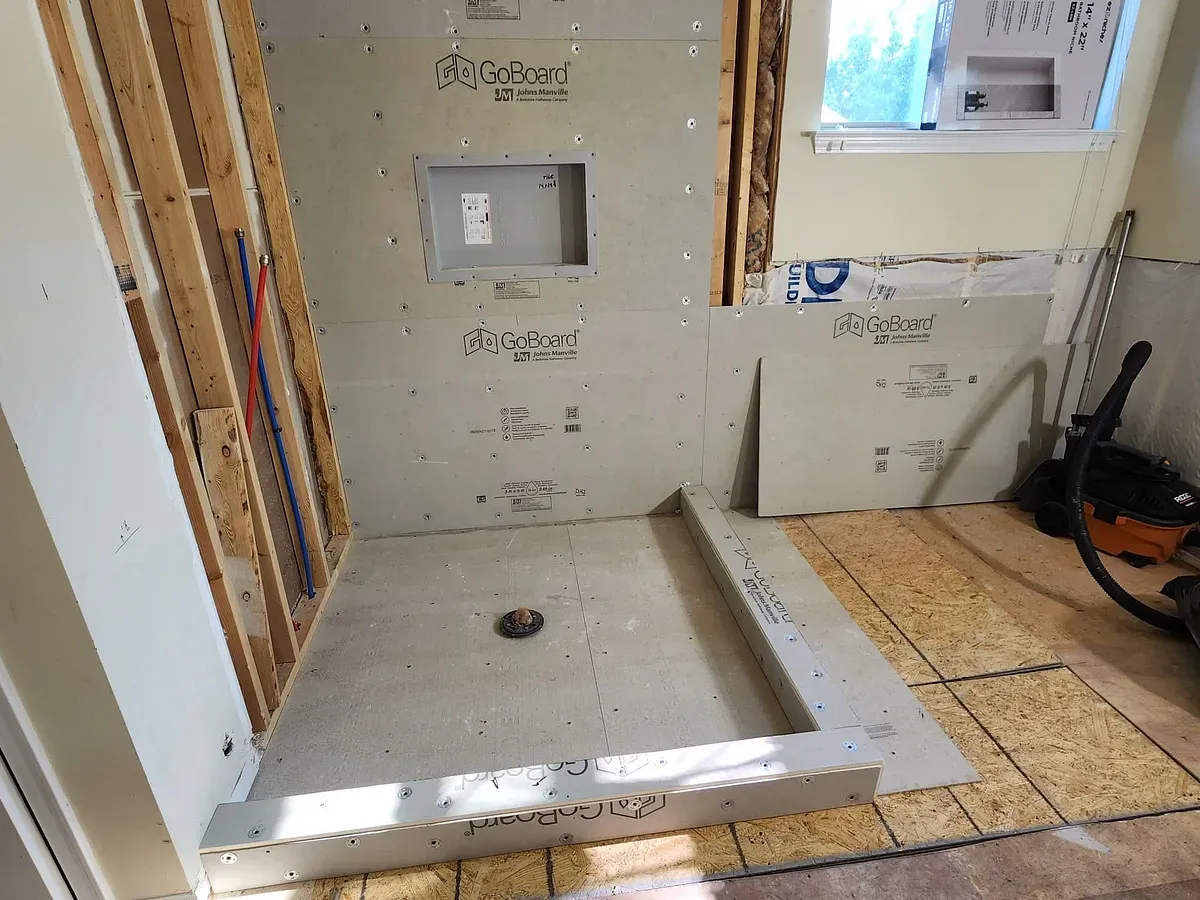
When you request an introduction, we screen available licensing records, contractor-provided documents, and project fit before recommending anyone. Here’s the exact process — and since every source is public, you can run it yourself before you sign.
Step 1 — Verify the CSLB license
Look up the contractor on the CSLB online license check: confirm the license is active, in the right classification, and free of disclosed complaints. You can also call (800) 321-CSLB (CSLB).
Step 2 — Confirm the classification fits the work
A B-2 Residential Remodeling contractor can run a bathroom remodel, but can’t self-perform major plumbing or electrical without the right sub or classification (CSLB B-2). For fixture relocation, make sure a C-36 plumber is on the job.
Step 3 — Check the surety bond
California requires licensed contractors to carry a $25,000 minimum surety bond (CSLB bond basics). It’s a baseline of accountability — confirm it’s current.
Step 4 — Verify workers’ comp and liability insurance
Depending on classification and whether the contractor has employees, the CSLB record should show active workers’-compensation coverage or a valid exemption (CSLB workers’ comp). Ask for current certificates for both workers’ comp and general liability.
Step 5 — Check recent references
Ask for three references from the last 18 months and actually call them: Did the final cost match the bid? Were change orders explained? Would they hire the contractor again? Reluctance to share references is itself the answer — the BBB notes bad contractors resist handing them over, and recommends mixing recent references with older ones so you can see how the work held up (BBB).
Step 6 — Get it in writing
A complete contract states scope, materials, total price, timeline, and a payment schedule tied to milestones. Hold the final payment (at least 5%) until the walkthrough is done, the permit is closed, and you’ve received lien waivers from the contractor and any subs/suppliers (AIA Contracts).
Step 7 — Permits and inspections
Confirm the contractor pulls the required permit in their name and schedules inspections. Permits protect you — and a closed permit protects your home’s resale.
What we verify — and what we can’t
We run this same public-records screen before we pass your project to a pro. To keep our advocacy honest, here’s exactly where that screen starts and stops.
We verify (public records):
- CSLB license status and classification
- Surety bond status ($25,000 minimum)
- Workers’-compensation status or a valid exemption
- Public disciplinary records
We request (from the contractor):
- Certificate of general-liability insurance
- Recent references
- Comparable completed projects
- A written scope and milestone payment schedule
We can’t guarantee:
- Future workmanship
- Project completion
- Final pricing
- The absence of future disputes
We don’t publish vanity counts or “guaranteed” claims — we publish the method, so you can hold us (and any contractor) to it. If you’d like a second opinion on a quote you already have, request a free quote review.